The short answer
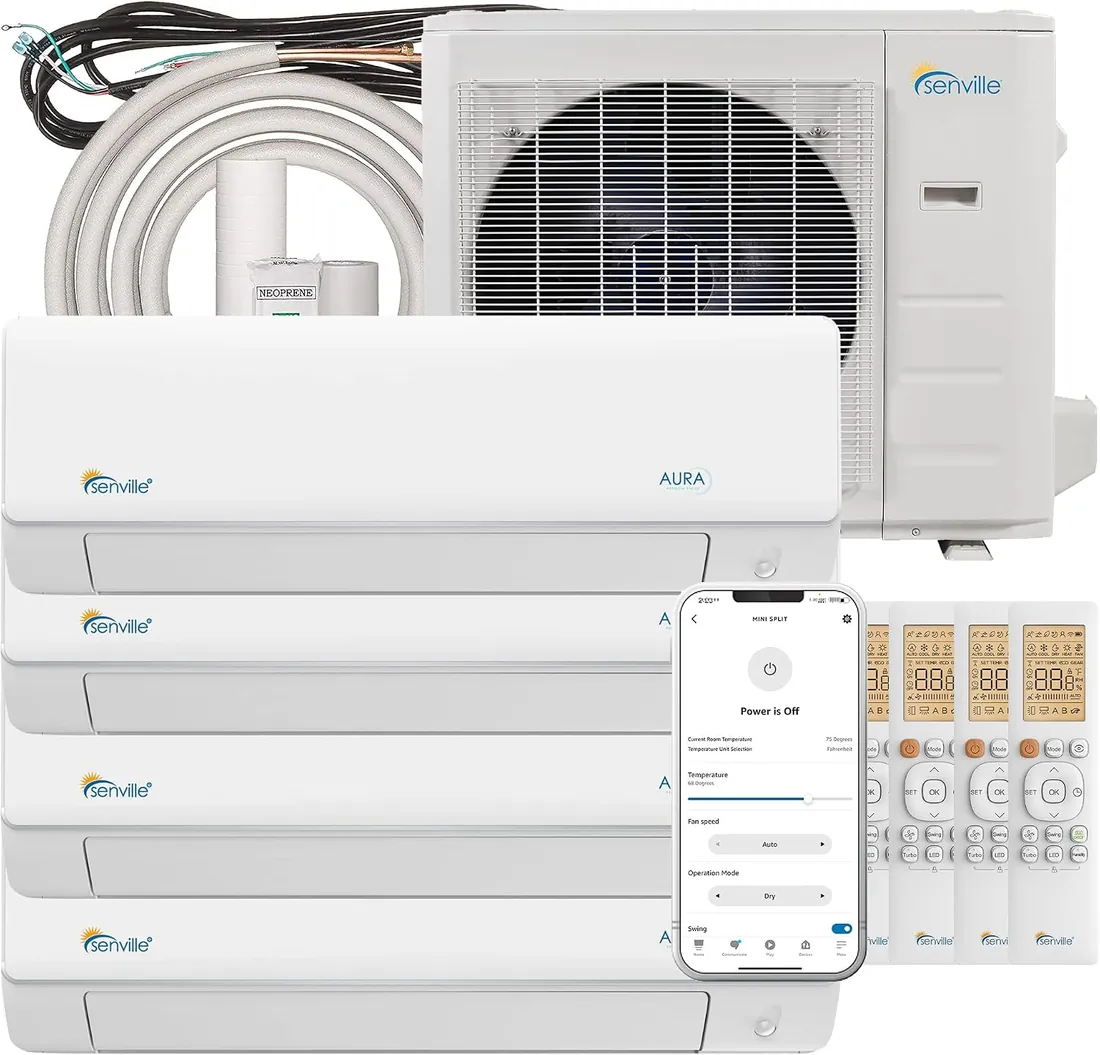
A multi-zone system runs two to five heads from one outdoor unit, saving space outside and, often, upfront cost. Separate single-zone systems are usually more efficient at part load, each sized exactly to its room, and if one fails the other rooms stay comfortable.
Side by side
| Multi-zone | Several single-zones | |
|---|---|---|
| Outdoor units | One | One per room |
| Efficiency when one room calls | Lower: the condenser's minimum output is shared | Higher: each unit turns down to its own room |
| If a condenser fails | Every room loses heat and cooling | Only one room |
| Line sets | One per head, longer total runs | One per system, shorter runs |
When multi-zone wins
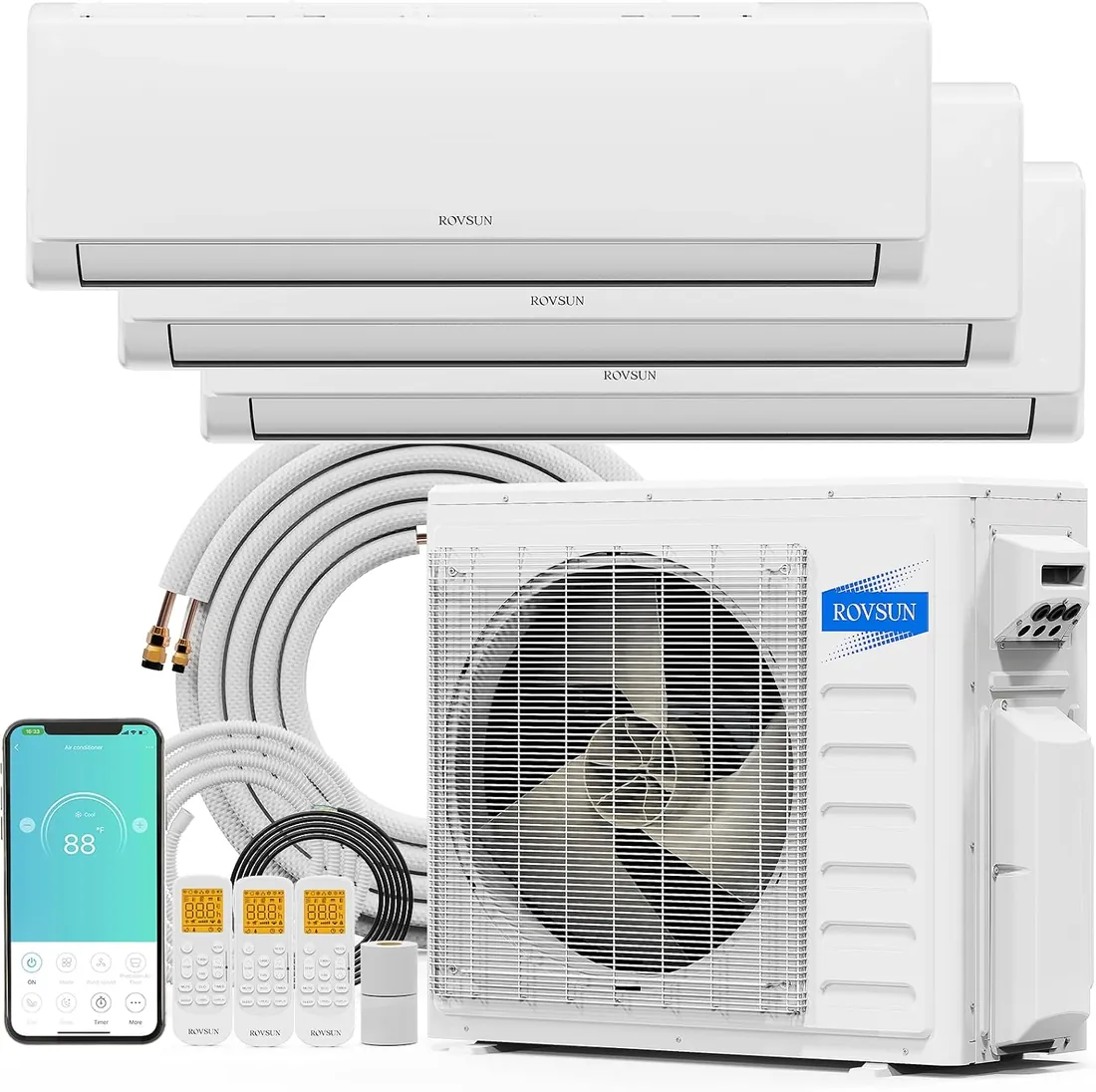
Tight lots, HOA rules on outdoor units, or rooms clustered on one side of the house. Kits like the ROVSUN 3-zone come with matched heads.
Size each head to its own room with the BTU calculator and stay within the maker's combination table.
When single-zones win
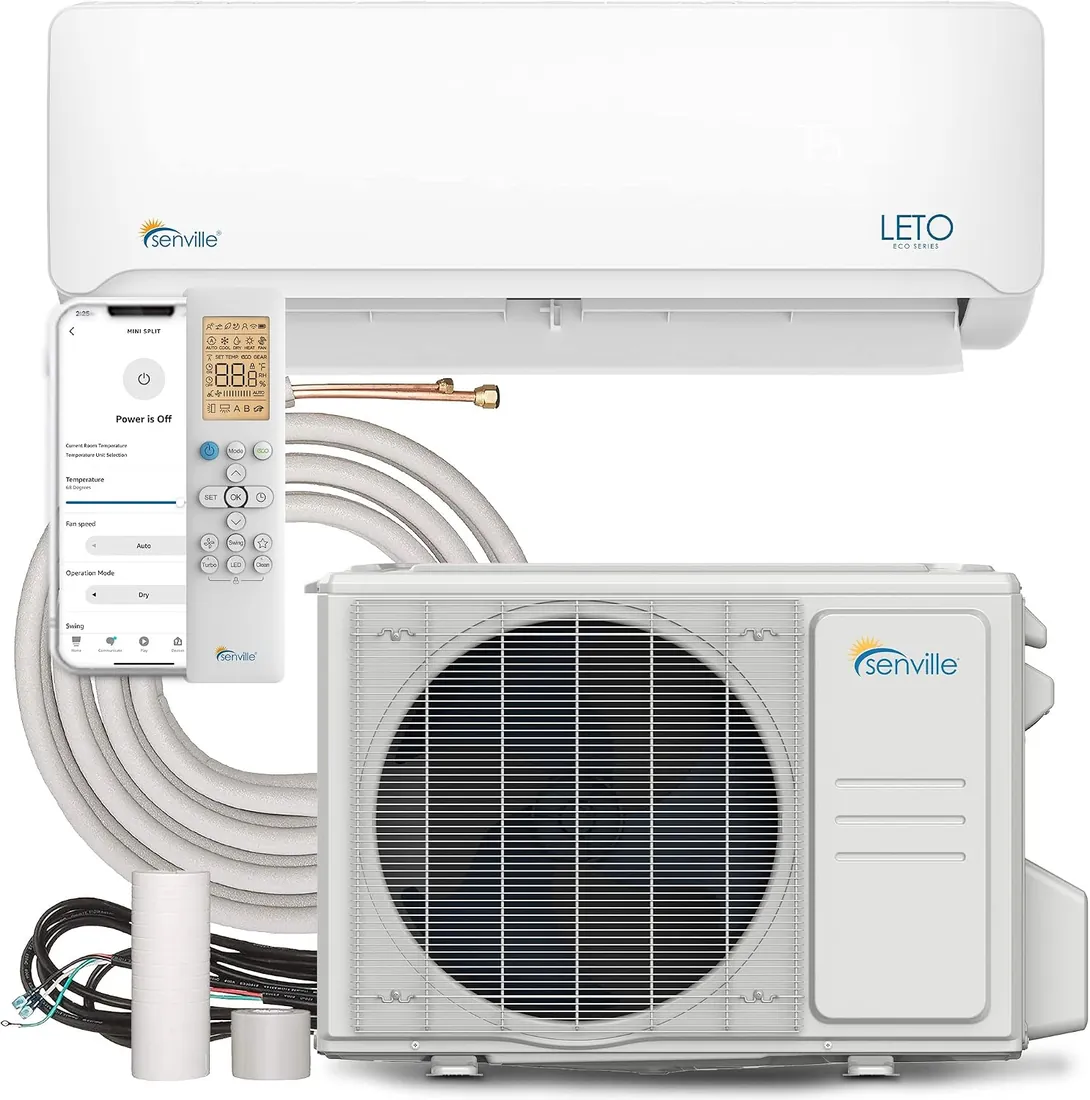
Rooms far apart, rooms used at different times, or very different sizes. A small 115V single-zone for a bedroom and a larger 230V system for the living area is a common pairing.
Products mentioned
Questions readers ask
Is a multi-zone mini-split less efficient?
Often at part load: when only one small head runs, the shared condenser can't turn down as far as a single-zone unit sized to that room.
Can I add a zone later?
Only if the condenser has a free port and capacity within the maker's combination table.