The short answer
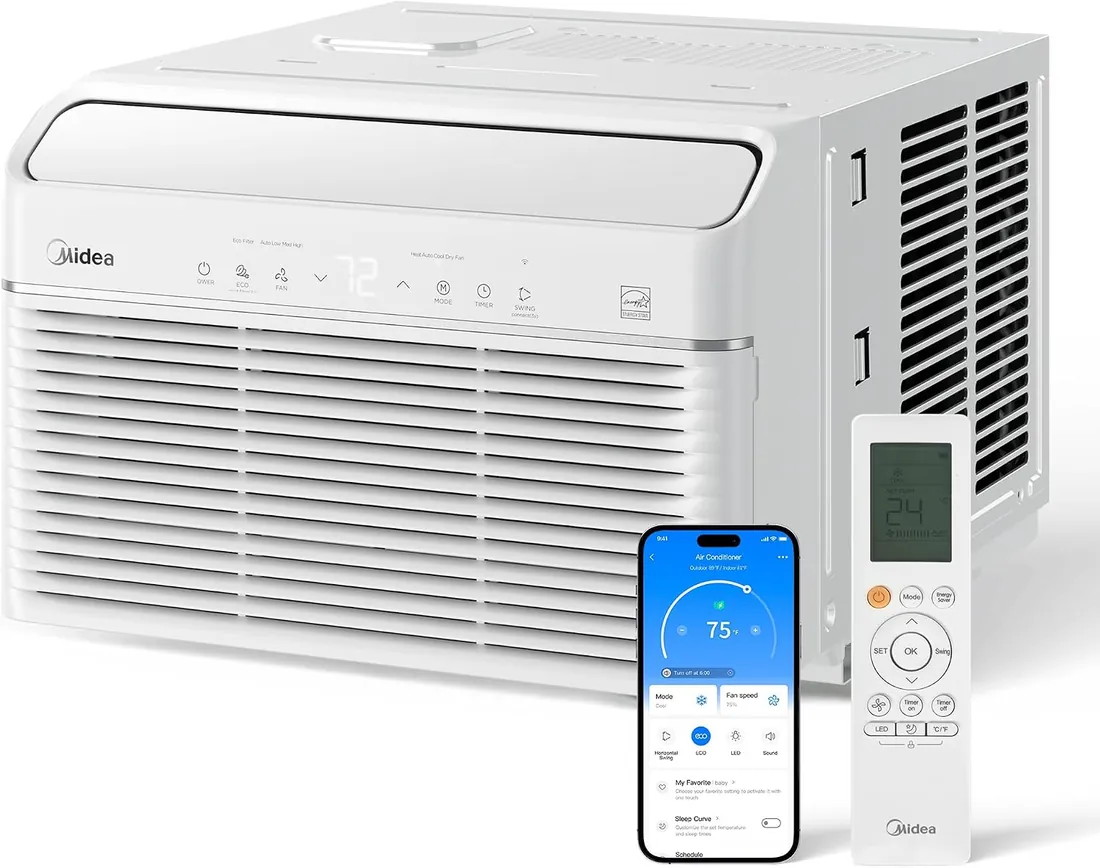
A mini-split keeps the compressor outside, so it's quieter, more efficient and keeps heating in much colder weather. Window and PTAC heat pumps install in an existing window or wall sleeve with no refrigerant work, but stop heat-pump heating at higher outdoor temperatures: the Midea 12,000 BTU window unit's listing says its heat pump won't run at 41°F or below.
Side by side
| Window or PTAC heat pump | Mini-split | |
|---|---|---|
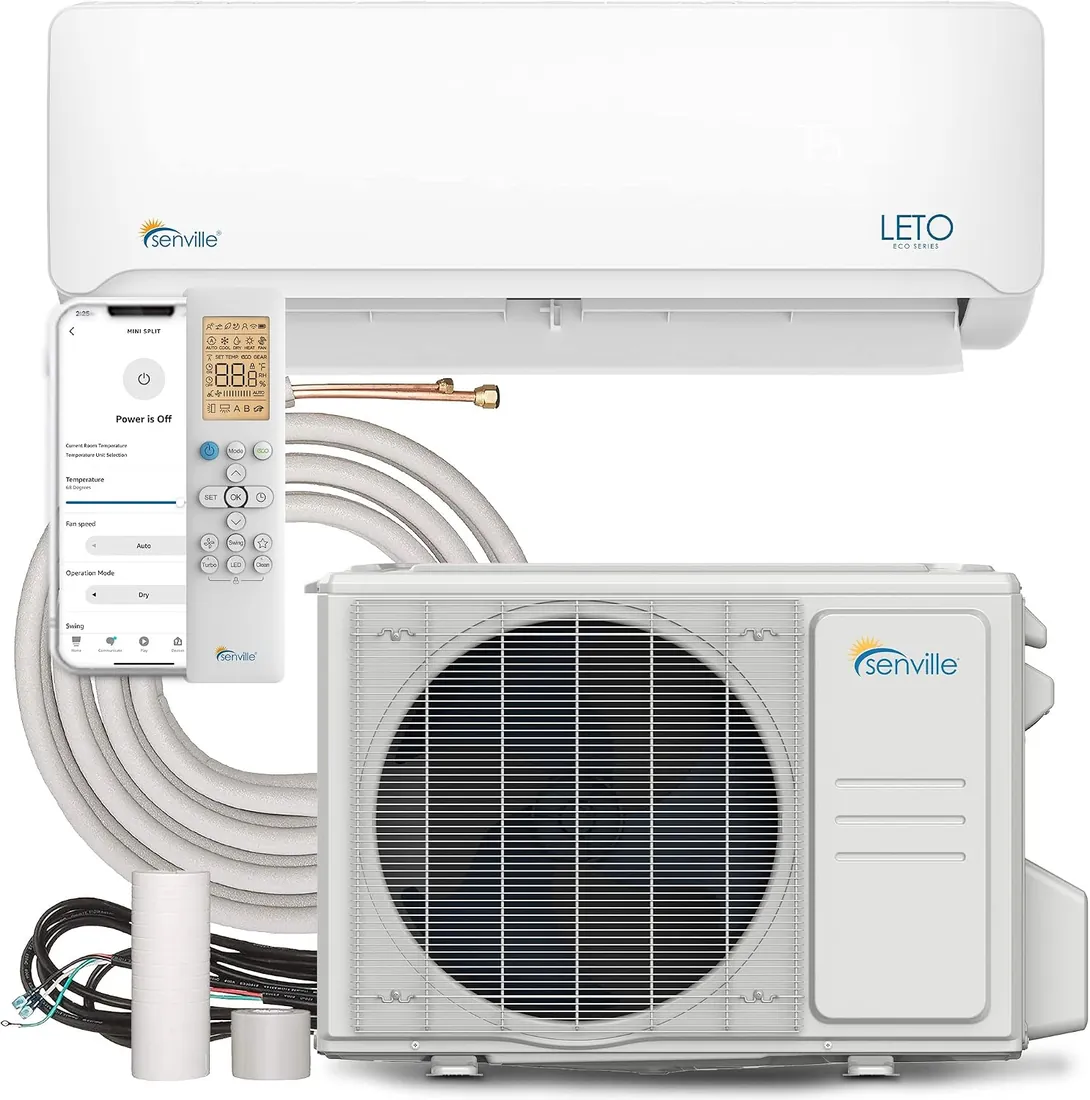
| Install | Window or wall sleeve, no refrigerant work | Wall penetration and line set |
| Heat-pump heating | Stops at higher outdoor temperatures | Many to 5°F; hyper-heat to -13°F or below |
| Noise indoors | Compressor in the room | Compressor outside |
| Efficiency | Lower | Higher |
Watch the word 'heat'
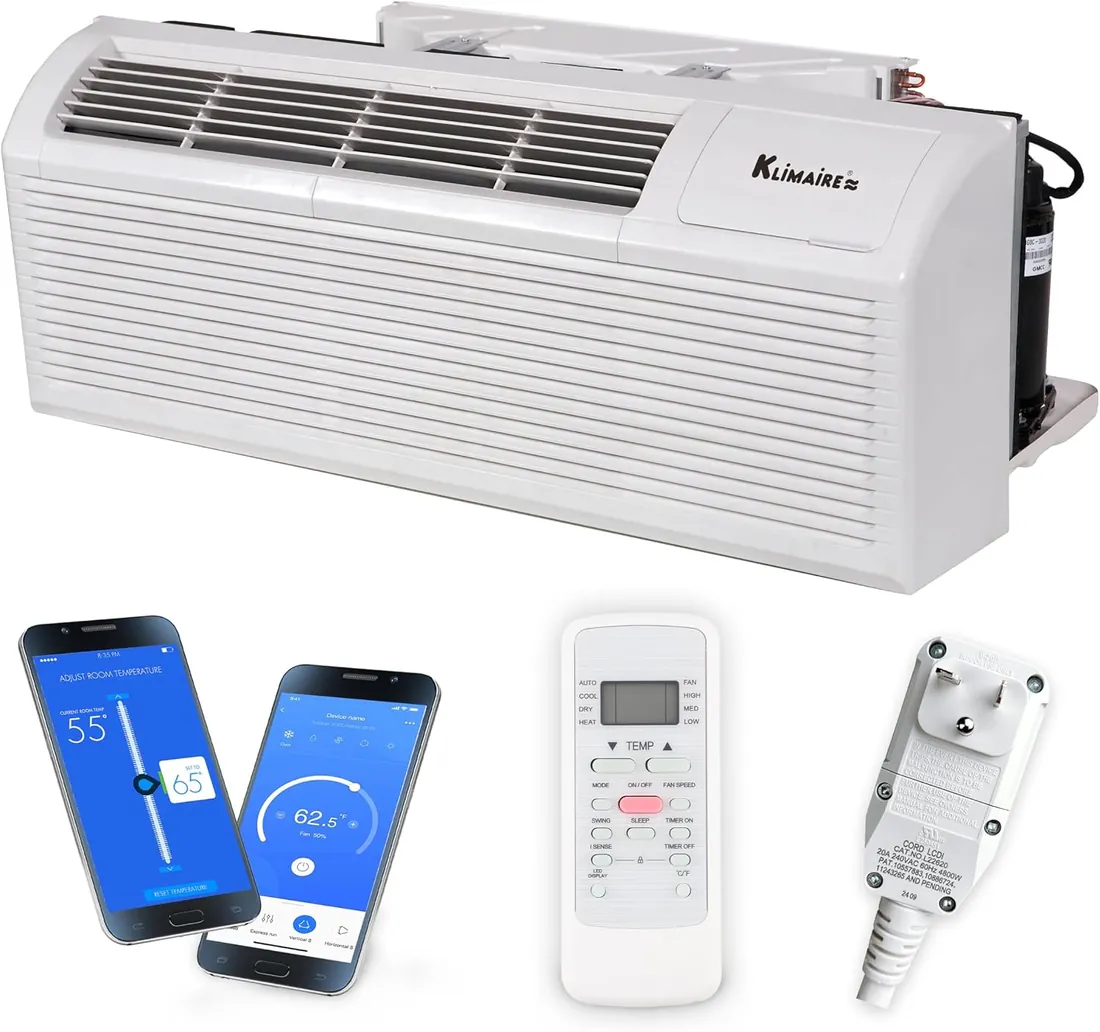
Many window and wall units sold 'with heat' use a resistance heater. We only list units whose listings state heat-pump heating, such as the Klimaire PTAC heat pump and Senville PTAC heat pump.
Products mentioned
Questions readers ask
Is a window heat pump as good as a mini-split?
For mild climates and renters it can be a good fit; mini-splits are quieter, more efficient and heat in colder weather.
Do PTAC heat pumps work in winter?
Down to the maker's cut-off temperature; most PTACs then switch to a backup resistance heater.